
The first steps toward gluten-free food worldwide were taken in 2005 by the Gluten-Free Certification Organization (GFCO).
This standard has been developed for all producers, retailers, food service providers and farmers that are required to produce in accordance with legal regulations on gluten-free foods and the international food code. In addition, this standard is based on the principles of the HACCP (Hazard Analysis and Critical Control Points) system standard.
How Is a Gluten Free Certificate Obtained?
Producers that want a share of the gluten-free product market and wish to address the consumer base with gluten sensitivity complete the pre-application stage of the process by submitting a registration application, with an application form or product list, for the products they claim to be gluten-free to NBC Global Certification, a licensed body.
After the pre-application stage, the Certification and Labeling process begins with the Quotation/Contract Approval provided by NBC Global.
Following the approval process, the client producer is asked to provide a sample, in a quantity to be determined, for the relevant product(s).
The penultimate stage is completed when the sample reaches NBC Global Certification, the invoice is issued for payment, sample inspection and acceptance procedures are carried out, and the sample is delivered to the licensed subcontracted laboratory that will perform the testing.
At the end of the testing process, which takes 2 to 3 days, if no nonconformity is found in the samples, a committee is formed to evaluate the application and test results, and an assessment is made for the Certification Decision.
The internationally valid certificate issued for the producer and products that have undergone Certification and Licensed Product Evaluation is printed with the license numbers assigned to the products, published on the International Organization's website, and shared with the global public.
At the end of the processes, which take a maximum of 1 week, the producer gains the right to use the logo as soon as the Printed Certificate and the Publication Information are delivered to them.
GLUTEN FREE — frequently asked questions
Which Products Can Obtain a Gluten Free Certificate?
- All meat, fish and poultry products, offal and their soups,
- Eggs,
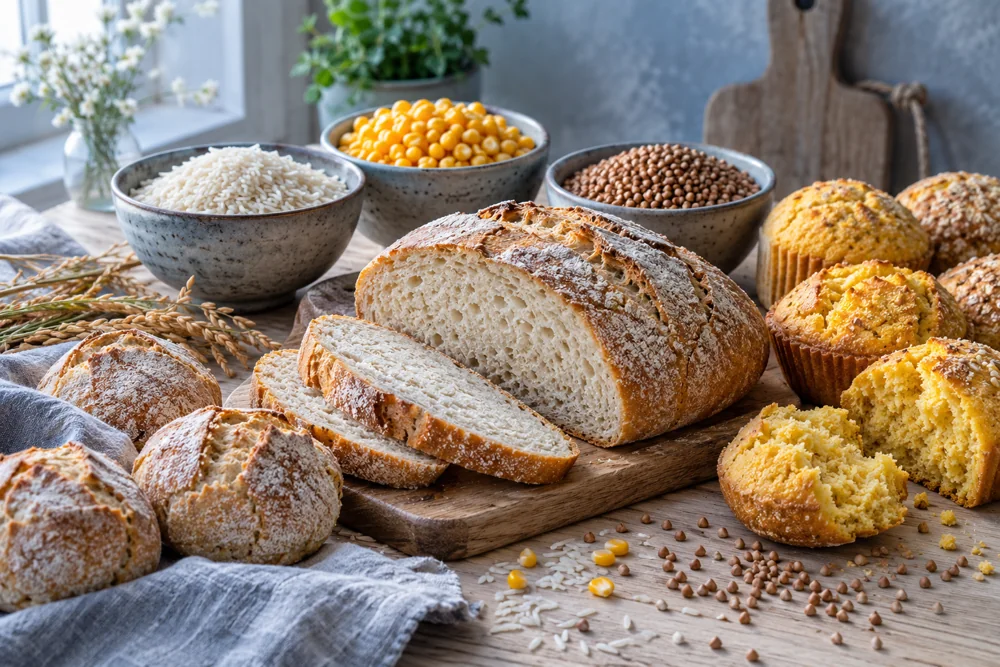
- Rice and rice flour, corn and corn flour, potato and potato flour and their starches, millet, chickpea flour, chestnut flour, buckwheat flour, lentil flour and similar grains and legumes and their flours,
- All dried legumes,
- Vegetables, rice, lentils and their soups,
- Milk, yogurt and cheese,
- Butter, margarine and vegetable oils,
- All vegetables and fruits,
- All kinds of desserts without added oat, wheat or rye flour, desserts made from rice and rice flour, puddings, milk-based desserts, sugar, hard candies, Turkish delight, honey, molasses, jam, tahini halva, fruit and vegetable marmalades, and syrups and compotes,
- Vinegars, brined products and preserves, pickles, tomato juice, additive-free pepper and tomato paste and similar condiments and the sauces made from them,
- Salt and spices,
- Tea, coffee, milk, salep, linden tea, sage tea, ayran, cola drinks, carbonated drinks and fruit juices,
- Products with a gluten value below 20 ppm and/or products whose gluten value has been reduced to below 20 ppm